
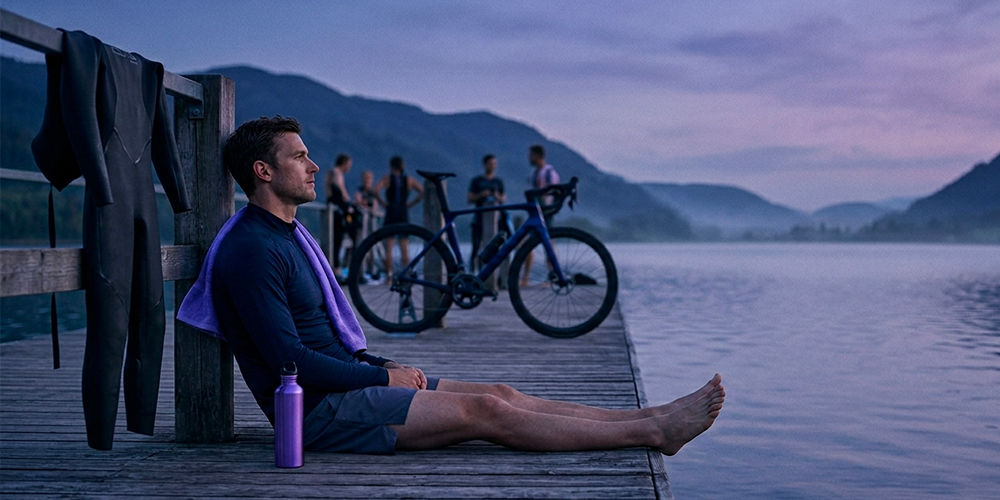
Triathletes are well known for being training machines. The laps in the pool, the kilometres in the saddle and the strides on the tarmac soon add up — or rather, they are collected with a certain pride. It «soothes» the conscience. But this enthusiasm for effort must not give way to haste and the mistakes that come from a lack of recovery…

One of triathlon’s great names, Simon Lessing, used to say: «If I win in triathlon, it’s not because I train more, but because I recover better than the others.» Recovery is often pushed down the list of priorities in the triathlon community. Yet it is an integral part of training. Poor recovery will have a negative impact on your next training sessions or races, with a real risk of overtraining.
When you have just finished a triathlon or an intense effort, it is important to devote time to recovery — and not just in the form of rest and a good meal rich in protein and complex carbohydrates. We will therefore review the main recovery methods that will help you be in top shape on the start line. Rest, stretching, massage, compression, electrostimulation, cold and of course nutrition are the most effective means of recovery.
Recovery — a key factor in progress and performance
First of all, it is worth recalling that the recovery phase is fundamental for physical progress and performance. If recovery is insufficient after intense effort, the body cannot regenerate or create the necessary physiological adaptations. The recovery time after an «exhaustive» effort (such as a VO2max session) is around 72 hours. This time can, however, be reduced by performing an active recovery session that includes a few short sprints (7 to 8 seconds, known as alactic anaerobic sprints). These sprints accelerate the elimination of waste products without producing new ones.
Not all athletes are aware of it, but recovery is a key factor in their progress and an integral part of the training process. It also helps to avoid the phenomenon of overtraining and, consequently, the risk of injury. To chain training sessions and competitions successfully, recovery is the key to success — this is even truer for a triathlete combining three disciplines, not to mention strength training sessions and professional and family commitments…
Recovery allows the athlete to regain all or part of their capacities after a session: this is the principle of supercompensation. This process enables progress and the achievement of a higher level of performance.

Without a recovery phase, overtraining sets in
When training sessions are chained without a recovery phase, or when recovery is incomplete, you risk overtraining and exposing yourself to injuries such as stress fractures. This can also manifest as vitamin and mineral deficiencies, particularly in women due to losses from menstruation. One of the first signs to watch out for is a loss of enjoyment in training; then performance levels plateau or even decline. It is therefore recommended to perform a cool-down after each session, particularly after intense ones.
There are several methods to help athletes recover better and faster:
1. Massage
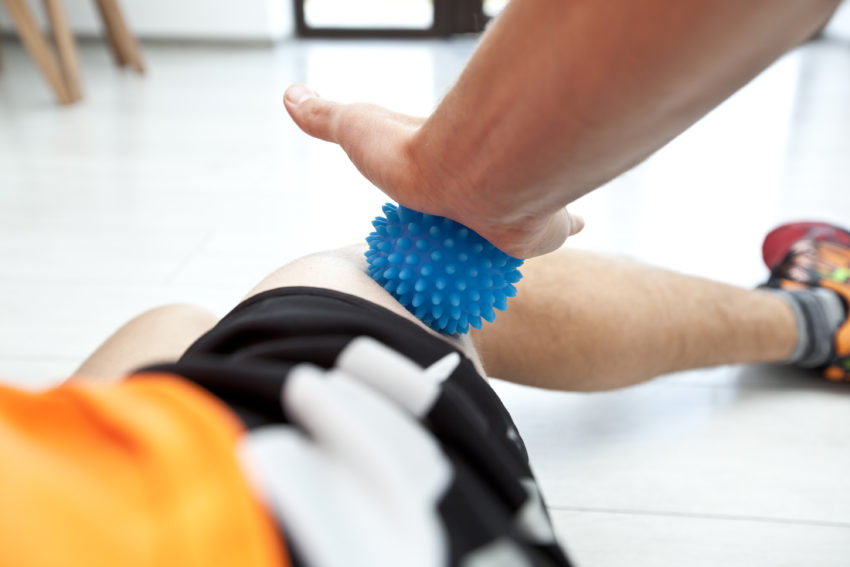
Massage helps to relax muscles that have been heavily used during exercise. It helps to reduce contractures, stiffness and the perception of fatigue, and plays a role in reducing delayed onset muscle soreness (DOMS).
Massage also plays a role:
- On the tendons: it increases their flexibility and reduces adhesions.
- On blood circulation: it creates subcutaneous vasodilation and promotes venous return.
- On the nervous system: it has an analgesic effect through the «gate control» mechanism (this process inhibits the transmission of pain signals and reduces pain perception) and the release of endorphins (pleasure hormones).
An effective massage should be performed from the distal to the proximal end in order to promote venous return. Manual massage with an oil containing essential oils and arnica is preferred.
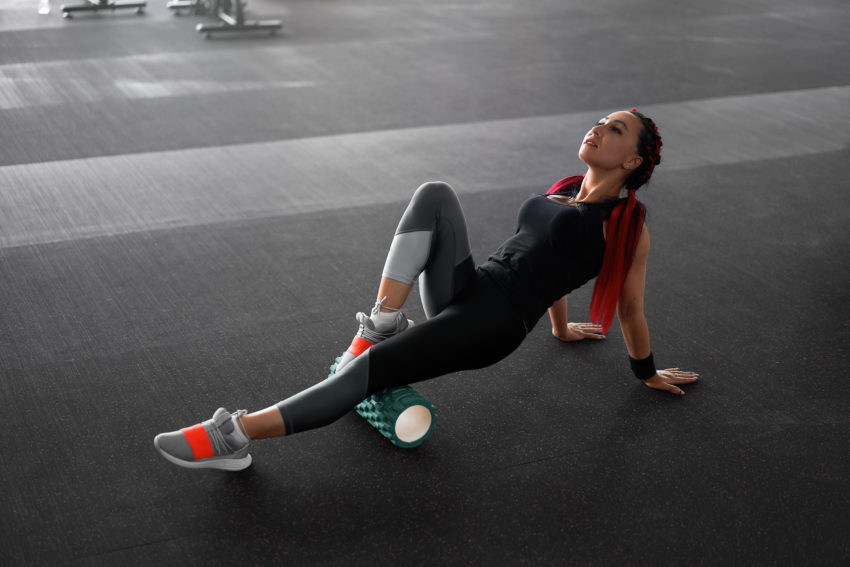
Various techniques can be used, the most common being static pressure (on reflex points, trigger points and contracture points), gliding pressure and deep kneading. Accessories can also be used for easy and deep self-massage, such as foam rollers or massage balls.
Massage balls
These are very useful for deep, targeted self-massage. They come in different sizes to best suit the area to be massaged:
- small ones for the plantar arch and back;
- the double ball, particularly suitable for the back and spine thanks to its hollow shape in the middle;
- large ones for the back and glutes.
Massage rollers
The massage is performed using body weight. There are several types:
- the Soft model, for a gentle massage thanks to a smooth, comfortable foam surface;
- the Hard model, for a more intense massage thanks to a hard, structured foam surface;
- the vibrating roller, for a massage with vibrations, providing deeper muscle relaxation.
2. Compression
Compression reduces muscle fatigue and soreness in the compressed limbs by improving venous return and therefore blood circulation. It increases blood flow and promotes the elimination of waste products accumulated during exercise. Today there are compression sleeves for the legs, but also for the arms. It is advisable to wear them immediately after exercise for a minimum of 1.5 to 2 hours. It is a simple, affordable and effective way to optimise recovery.
3. Electrostimulation
In the 21st century, electrostimulation is well documented and its benefits for recovery are scientifically proven. The various available programmes allow recovery to be targeted, primarily by reducing pain or improving venous return. Thanks to its analgesic effect, it helps reduce muscle soreness and relax muscles passively. All you need to do is place electrodes connected to an electronic device that generates electrical impulses according to a pre-set programme.
4. Cold
The application of cold reduces the sensation of pain and swelling, and acts on the natural inflammation caused by exercise. It also helps with the regeneration of micro-lesions created during a training session or competition, while promoting blood circulation.
Various methods exist. The most accessible involves using cold packs (stored in the freezer beforehand) or immersing yourself in an ice bath. Our tip: add Epsom salts to the bath, which help to relieve inflammation in particular. Some companies have also started democratising gaseous cryotherapy: a device diffuses cold by projecting a dry gas.
5. Nutrition
Nutrition plays a key role in replenishing water and energy reserves. The nutritional goals after exercise are as follows:
- Replenish energy reserves through carbohydrates, fats and proteins, in order to be able to continue training sessions. Remember that energy does not come from carbohydrates alone!
- Rehydrate the body, as sporting activity causes significant sweating and considerable losses of water and minerals. It is therefore essential to consume water and sodium — ideally in the form of an electrolyte-based recovery drink.
- Repair damaged muscle fibres with protein.
- Rebalance pH levels. Intense physical effort acidifies the body; the bicarbonates in sparkling water help restore a neutral pH.
- Combat free radicals. Intense or prolonged training — and competitions even more so — generates free radicals that damage cells. The antioxidants found in food, such as turmeric, help to counteract this harmful phenomenon.
- Restore immune defences. Intense effort causes a temporary drop in immune defences, promoting viral infections: this is known as Pedersen’s «open window». It is therefore advisable to protect yourself during this period by prioritising a healthy, seasonal diet.